


Letter to the Editor: The fight for the future is not over
April 15, 2024

Leah’s Lens: Conspiracy theory? No, just a Tuesday.
April 15, 2024
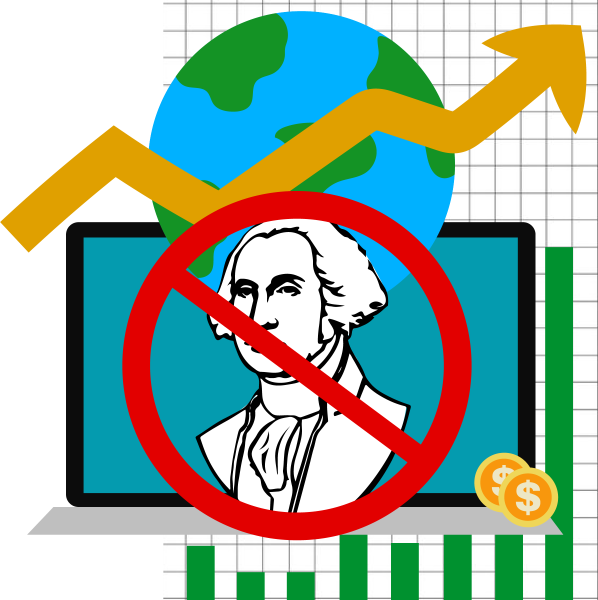
OPINION: Congress members do not belong in the stock market
April 10, 2024

Leah’s Lens: Pride cannot and will not be erased
April 8, 2024
OPINION: Everts is attempting to jump ship
April 3, 2024
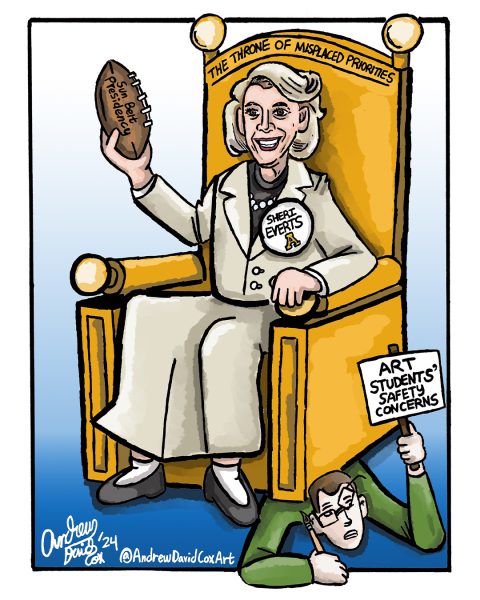
Illustration to the Editor: Sheri Everts and the throne of misplaced priorities
April 3, 2024
Leah’s Lens: Nobody wants to give their all to App State
April 1, 2024

Every decade, universities have to go through a reaccreditation process to ensure students receive quality education, according to the Higher Learning Commission. The Quality Enhancement Plan is a resource universities use to improve Student Learning Outcomes. App State’s previous QEP focused on Global Learning, requiring students to take a course...
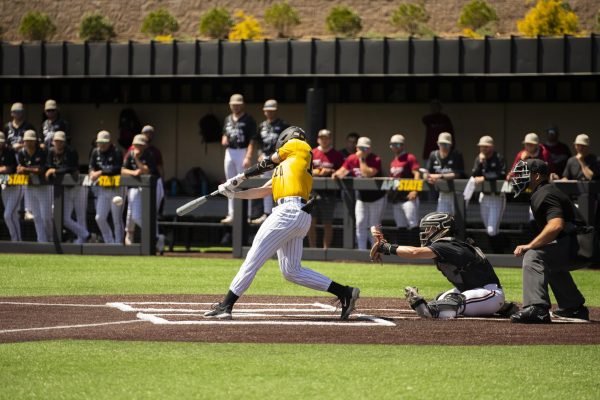
Spence Smithback, Reporter
April 17, 2024
App State baseball’s mid-week road trip to Cullowhee ended in defeat, as the Mountaineers came up short against the Western Carolina Catamounts Tuesday 10-5. Six Western Carolina runs on six hits...
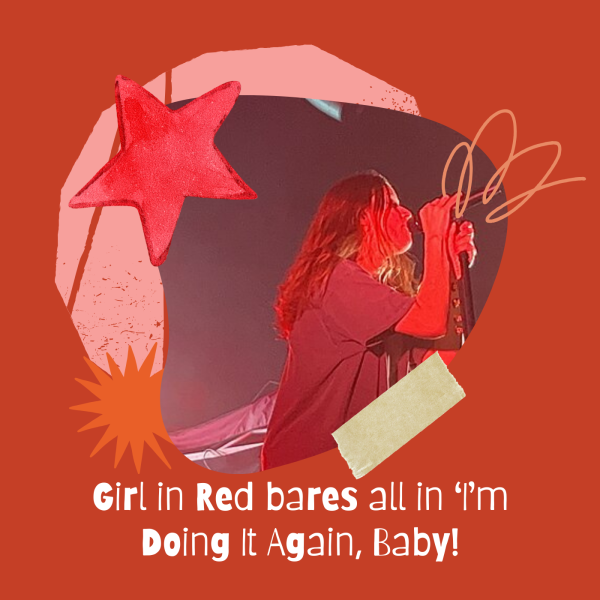
Nance Onsrud, Reporter
April 17, 2024
Do you listen to Girl in Red? If not, you’re missing out. On April 12, Marie Ulven released her second album, “I’m Doing It Again, Baby” on all streaming platforms. On this album, Ulven showcases...