


|
by JUSTIN HERBERGER
Intern News Reporter
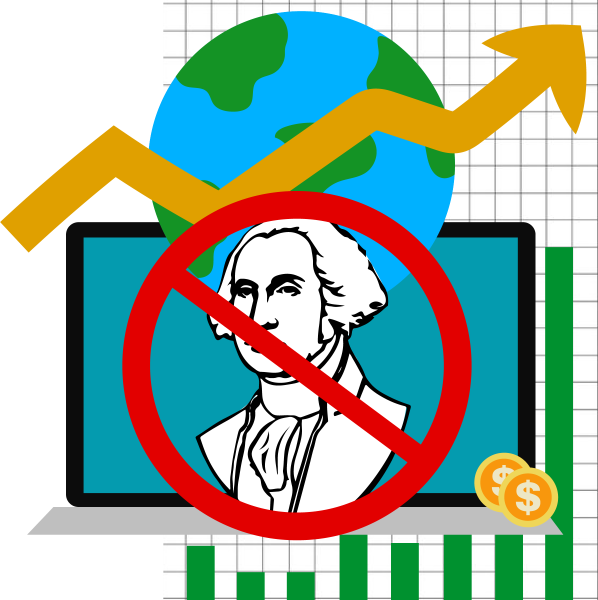
H.R. 1207, The Federal Reserve Transparency Act of 2009, is gaining bi-partisan support in the U.S. House of Representatives, as well as the Senate.
With 282 co-sponsors of H.R. 1207 in the House, and 23 co-sponsors of the Federal Reserve Sunshine Act of 2009 in the Senate, the legislation is gaining momentum and plans to bring more oversight and transparency to the Federal Reserve System.
If passed, the bill would stipulate a Government Accountability Office (GAO) to audit the Fed.
Rep. Ron Paul of Texas and supporters of the “Audit the Fed” movement do not think this release of information is enough.
“The Fed
has such broad power to intervene in the economy and to engage in
agreements with foreign governments and central banks that it is
unconscionable that such actions are exempt from oversight,” Paul said
on his Web site.
Paul and
members of the Appalachian State University Young Americans for Liberty
(YAL) club would like for information about the Fed’s arrangements with
other central banks, international financing organizations, transcripts
of deliberations and decisions on monetary policy, and transactions
made under the Federal Open Market Committee’s direction to be made
public knowledge.
“The
Federal Reserve has been messing things up for the past close to a
hundred years,” YAL president and sophomore biology major J. Grey
Monroe said. “The American people have a right to know what the Fed is
up to. And that’s why we need to audit it.”
Established
in 1913, the Fed serves as the United State’s central bank, issuing
currency and developing the monetary policy of the nation’s economy.
Making decisions affecting the cost and availability of money and
credit in the economy, the system works to control inflation and
support economic growth.
Federal
Reserve Chairman Ben S. Bernanke said the bill would do more harm than
good, because the Fed is already sufficiently transparent and must act
autonomously from the Congress and president.
“Because
GAO reviews may be initiated at the request of members of Congress,
reviews or the threat of reviews in these areas could be seen as
efforts to try to influence monetary policy decisions,” he said
speaking to the House Financial Services Committee July 21.
Mark C.
Strazicich, assistant economics professor at Appalachian, said he does
not believe the bill would have a huge effect on the monetary policy
due to the current transparent policy of the Fed, including the release
of balance sheets and meeting minutes.
“I’m not sure how much difference it would make,” he said.
YAL is
new to Appalachian, but at their second meeting held earlier this week,
Monroe said the organization “had a huge turn out.”
“We were so excited about how many people came out. It definitely shows that this is a growing movement,” Monroe said.
The Appalachian YAL meets Monday evenings at 6 p.m. in Plemmons Student Union.
Trackback(0)
|